06/02/2026 | SIAN
The land matters: how to make the right decision before designing your modular cabin
Choosing the right piece of land is one of the most important decisions when planning a home or a modular cabin. It’s not just about finding a beautiful place, but about understanding whether that site is truly viable for the type of project you want to develop today, and how it might evolve in the future.
Many projects don’t fail because of design, but because of decisions made before designing. A poorly chosen site can limit the experience, drive up costs, or constrain the project’s growth. On the other hand, a well-understood site from the outset allows modular architecture to fully express its potential.
This article brings together the key criteria we analyze when evaluating a site, along with a practical checklist to help you make better decisions. whether you already own land, are planning your first cabin, or are developing rural or hospitality projects.
The land as the starting point of the project
Before thinking about a module, a layout, or an investment, it’s essential to understand the land. Modular architecture does not “impose itself” on a site; it adapts, engages in dialogue, and responds to its conditions.
At SIAN, the process always begins with a site reading. We analyze the natural environment, access, regulations, and the land’s real potential. This allows us to define not only what can be built, but also whether it makes sense to build there.
Practical checklist for choosing the ideal land
1. Access and connectivity
A site can be spectacular, but if access is complex or costly, the project becomes challenging from day one. Evaluate:
• Year-round vehicle access
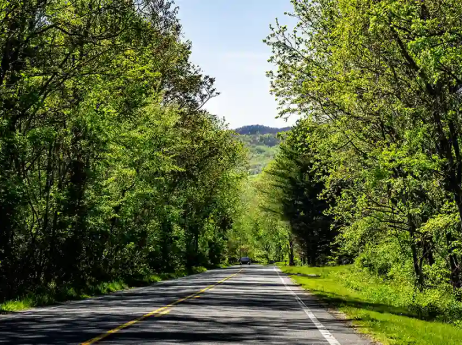
• Road conditions (especially during the rainy season)
• Distance to towns, basic services, or supply points
In modular cabin projects, access also affects the logistics of transporting and installing the modules. Clear, well-defined access reduces time, costs, and risks.
2. Available services (or feasible alternatives)
Not all sites need direct connection to public utilities, but they do require a clear strategy. Review:
• Availability of electricity or feasibility of alternative solutions
• Water sources (network, well, spring, rainwater harvesting)
• Options for wastewater treatment
At SIAN, we design architecture ready to integrate self-sufficient solutions, but we always start by understanding what real options the land offers.
3. Topography and soil characteristics
Topography directly influences design, placement, and budget. Key aspects:
• Steep or gentle slopes
• Flood-prone areas or natural drainage paths
• Soil type and load-bearing capacity
Many of the projects we develop at SIAN benefit from a well-interpreted topography: minimal platforms, point supports, and an approach that respects the land—reducing earthworks and environmental impact.
4. Orientation, views, and sun exposure
One of the greatest values of a modular cabin is its relationship with the surroundings. Choosing land with good orientation can make a decisive difference in comfort, efficiency, and experience. Analyze:
• Solar orientation (heat control and daylight use)
• Relevant views: landscape, vegetation, horizon
• Natural protection from winds or excessive exposure
In SIAN projects, many design decisions stem from these variables, prioritizing views, cross-ventilation, and the indoor–outdoor relationship.
5. Regulations and permits
An attractive site is not always a viable one. Before moving forward, verify:
• Permitted land use
• Environmental or conservation restrictions
• Local rules regarding density, heights, or modular construction
This point is especially relevant for rural developers or hospitality projects. At SIAN, we support our clients during this stage to avoid surprises and, if necessary, redefine the project in time.
6. Scalability and long-term vision
One of the advantages of modular architecture is the ability to grow over time. The land should allow for that evolution. Ask yourself:
• Is there space to add modules in the future?
• Can access and services support growth?
• Does the environment allow for mixed uses (housing + rental, for example)?
Many SIAN projects begin with a single cabin and, over time, become small retreats, expanded second homes, or carefully scaled hospitality developments.
Examples of optimal land for SIAN projects
Throughout our experience, we’ve worked with sites that share certain characteristics:
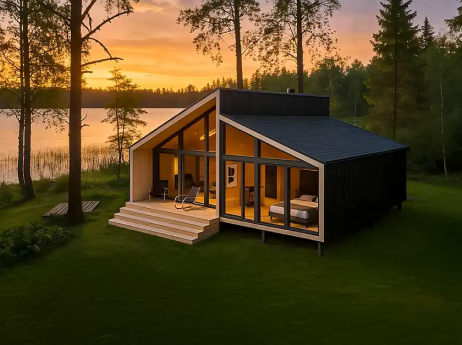
• Rural plots with established vegetation, where architecture integrates without competing with the surroundings.
• Land in emerging natural destinations, ideal for personal-use cabins with rental potential.
• Properties with open views, where orientation and placement enhance the spatial experience.
• Lots with clear access but low density, perfect for sustainable hospitality projects and modular growth.
In every case, the success of the project was directly linked to good site selection and an early, thoughtful reading of the land.
The right land enables better decisions
Choosing the right land doesn’t mean finding the “perfect” place, but the one most aligned with your project, your budget, and your long-term vision.
At SIAN, we work with landowners and developers from very early stages, helping them evaluate sites, identify opportunities, and define placement and growth strategies before designing.
Because when the land is chosen with intention, architecture flows more naturally.
Do you own land or are you evaluating one?
If you already own land or are about to acquire it, a timely review can save you costs, adjustments, and wrong decisions.
At SIAN, we offer personalized guidance to analyze land and define the most suitable architectural approach for each case.
Designing well starts long before the first module.
Comments