27/02/2026 | SIAN
Experience that drives profitability: the impact of gastronomy and wellness in sustainable luxury destinations
In sustainable luxury projects, architecture is the asset’s strategic infrastructure. But its financial impact is maximized when it enables experiences such as gastronomy and wellness, designed to create differentiation, raise ADR (average daily rate), and strengthen perceived value.
Today’s high-net-worth traveler no longer chooses based only on location or design. They evaluate coherence: responsible materials, energy efficiency, a culinary proposition with identity, holistic wellbeing, and an authentic connection to the environment. More than half of luxury travelers say they are willing to pay more for responsible and sustainable experiences. That willingness turns experience into a direct revenue variable.v
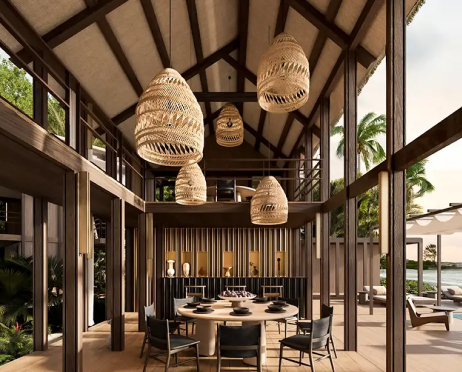
Gastronomy as a demand driver
Gastronomy directly influences booking decisions. Nearly 60% of luxury travelers prioritize hotels with standout culinary offerings. The restaurant is part of the project’s positioning.
Properties with a strong gastronomic offer receive up to 40% more reviews and digital mentions. Greater visibility means greater trust and higher conversion rates. Culinary reputation impacts occupancy and the ability to sustain higher rates.
From a financial standpoint, a well-structured gastronomic strategy increases spend per guest and diversifies revenue. It can attract external diners, activate private events, and generate additional flow beyond accommodation. When architectural design anticipates operations, gastronomy runs more efficiently and with better margins.
Wellness as a positioning variable
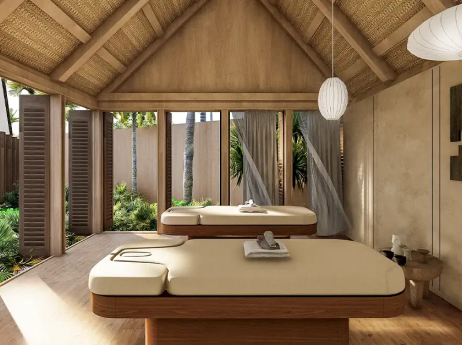
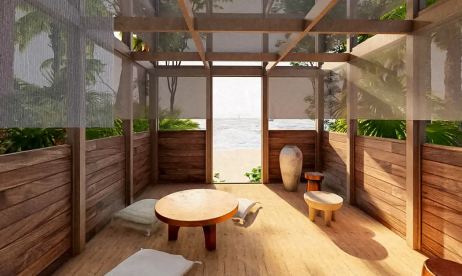
In sustainable luxury destinations, wellness means designing spaces that support rest, recovery, and real disconnection. It is not limited to a spa. It includes architecture oriented toward natural light, cross-ventilation, acoustic insulation, healthy materials, efficient thermal control, and direct contact with the surrounding environment.
The offer can translate into meditation rooms, yoga terraces, water circuits, treatment cabins, guided breathwork experiences, optimized sleep programs, or sensory routes integrated into the landscape. It also involves indoor air-quality monitoring, circadian lighting, and environments free from noise and light pollution.
A development that integrates well-being structurally increases its ability to differentiate in saturated markets. The experience becomes deeper and harder to replicate. This strengthens perceived value and allows rates to be sustained at a higher level without relying exclusively on location or seasonality.
In addition, spaces designed with environmental efficiency criteria reduce energy consumption and the need for corrective maintenance. Wellness impacts both the guest experience and the asset’s cost structure.
Modular architecture as a strategic advantage
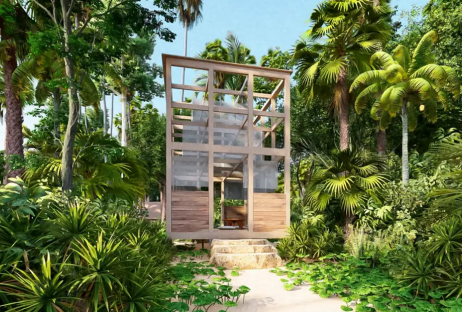
In hospitality, predictability protects profitability. Long, uncertain construction processes increase financial pressure and operational risk. Industrialized construction enables greater budget control, higher-quality execution, and more precise planning.
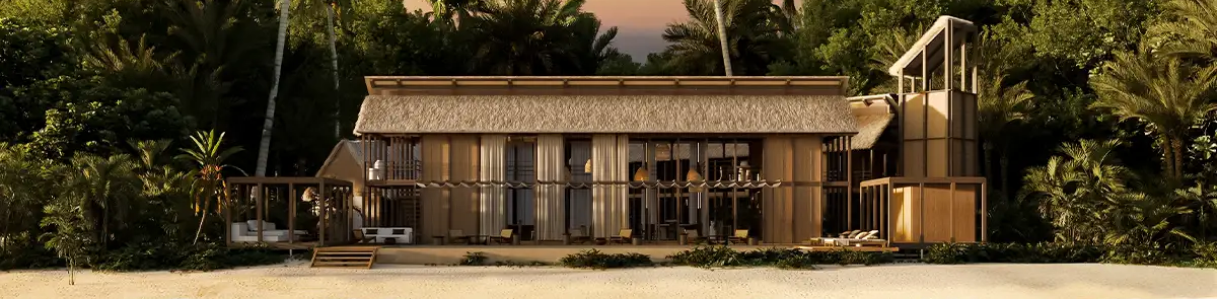
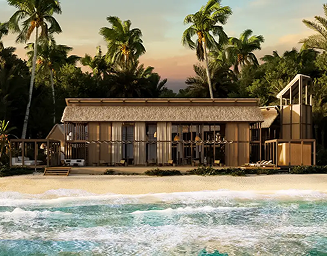
In hospitality, predictability protects profitability. Long, uncertain construction processes increase financial pressure and operational risk. Industrialized cModular architecture adds another advantage: scalability. A project can start with a limited number of units and grow in phases as demand is validated. This ability to expand progressively enables optimization of the initial investment, adjustment of the operating model, and reduction of financial exposure.
Manufacturing in a controlled environment reduces surprises and makes it easier to integrate gastronomy and wellness without later structural adjustments. The development evolves in an orderly way, without restarting processes or compromising design coherence.
At SIAN, we work with this logic: high-end modular architecture conceived to grow with the project. Precision, planning, and flexibility allow us to structure assets that expand strategically, maintaining efficiency and positioning.onstruction enables greater budget control, higher-quality execution, and more precise planning.
Experience and asset value
Gastronomy and wellness not only impact operating income; they influence the asset’s future valuation. A project with a clear identity and sustainable coherence sustains ADR more effectively, reduces price sensitivity, and strengthens its market reputation.
In competitive environments, structural differentiation protects financial performance. Assets aligned with ESG criteria and operational efficiency are more attractive to institutional investors and specialized funds.
When architecture, experience, and operations work together, the project doesn’t just generate revenue: it builds lasting value.
Design with vision
The difference in a sustainable hospitality project is not only in the experience it offers, but in how it is structured from the start. Integrating gastronomy, wellness, and the operating model within a clear strategy enables revenue to be sustained, scaled with control, and protected.
At SIAN, we support developers and investors in planning projects that combine design, financial feasibility, and phased growth. If you’re evaluating a development and want to analyze how to structure it to maximize performance,
let’s talk about your project.
Comments