07/08/2025 | SIAN
Ecoglamping: The profitable investment that unites luxury, sustainability, and unstoppable growth
Glamping has moved from trend to investment engine. In 2024, the global market reached USD 3.45 billion, with a projected annual growth of 10.3%. The key? Its target audience: travelers who pay more for authenticity, design, and sustainability.
So, how do you capitalize on this wave? With scalable, modular models and a clear brand strategy from the beginning.
This is a new way to travel, one that prioritizes nature, sustainability, and conscious design. For those who know how to read the signals, glamping presents a tangible opportunity: projects with fast returns thanks to modular scalability, aligned with a premium market that values purpose-driven experiences.
A market in accelerated growth
Glamping isn’t a shot in the dark: it’s a data-backed market growing twice as fast as traditional tourism. According to Global Market Insights (2024), the sector reached USD 3.45 billion in 2024 and is expected to exceed USD 6.19 billion by 2030. Some projections, like those from Market.us, go even further: up to USD 8 billion by 2033.
What’s driving this boom? A shifting, unmet demand. While mass tourism struggles with saturation and declining margins, glamping connects with a new kind of traveler, one fleeing resorts and all-inclusives, and redefining luxury as the ability to disconnect from noise, algorithms, and the digital world.
They want privacy, design integrated with nature, and experiences with minimal ecological impact. This isn’t just camping with perks: it’s a category of premium hospitality built on authenticity, calm, and conscious connection.
Today, sustainable cabins represent 43% of all glamping accommodations, thanks to their balance between aesthetics, comfort, and low environmental impact. This format also inspires the most trust from high-spending travelers:
• 18–32 year olds account for 40% of global glamping spend.
• Followed closely by 33–50 year olds who prioritize wellness, privacy, and intentional design.
Why is now a great time to invest in glamping?
This is the ideal moment to invest in glamping because travelers no longer choose based solely on price: they prioritize values. A Booking.com study reveals that 83% of global tourists will prioritize sustainability in 2025, yet only 46% have found options that truly meet their expectations.
This is the opportunity: there’s a gap in the market that well-designed, sustainable, and authentic projects can fill. If you’re thinking of starting a business or have unused land, now could be the perfect time to turn it into a purpose-driven destination. Demand already exists—what’s missing are offerings that truly connect with it.
• 70% of travelers choose eco-friendly accommodations, even if they weren’t actively searching for them (GSTC, 2024).
• 69% prefer destinations that benefit local communities, a natural hallmark of authentic glamping.
But the most revealing insight is the willingness to pay. While traditional hotels struggle to raise rates by 5% annually, premium glamping can increase prices by up to 20% thanks to unique experiences, from starlit dinners to wellness retreats nestled in forests.
The conclusion is clear: those who invest now in projects with sustainable differentiation and authentic storytelling won’t just capture this audience, they’ll build resilient brands capable of weathering economic shifts. Because the future of tourism isn’t about filling rooms; it’s about selling transformations.
The opportunity is open with SIAN
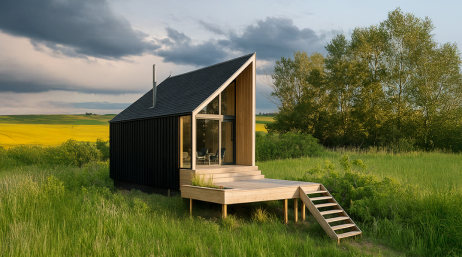
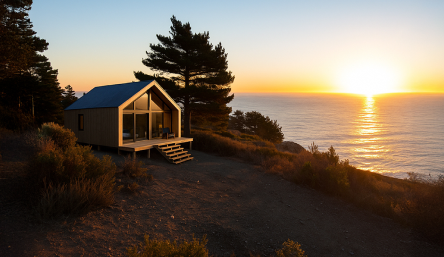
Glamping shatters the traditional paradigms of tourism investment: no more years of construction or millions spent on infrastructure. Thanks to high-end
modular architecture like SIAN’s, a project can be operational in under 6-9 months (vs. 2+ years for a hotel) with costs up to 60% lower and the flexibility to scale based on demand.
This allows you to start small and grow with the market:
• Phase 1: Two luxury cabins on a strategic plot, financed through bookings.
• Phase 2: Reinvest profits to add services (e.g., an open-air spa or a farm-to-table restaurant).
But the real differentiator lies in the business model:
57% of glamping bookings are made directly (no intermediaries), meaning 25-30% higher margins compared to traditional lodging, plus the ability to build guest loyalty through personalized programs.
The market signal is clear: In 2023, Marriott acquired Postcard (formerly Getaway), a glamping brand focused on small, modular units immersed in nature. Even major chains are betting on intimate, sustainable, low-impact experiences.
In other words, modular glamping not only speeds up ROI (average payback: 1-3 years) but also reduces risk by allowing adjustments based on real performance. The question isn’t "Can I afford it?"—it’s "What if I wait too long and the perfect location is already taken?"
A transformation in motion
Glamping isn’t new. Since 2015, safari tents, yurts, and domes have begun attracting travelers craving more authentic, nature-connected stays without sacrificing comfort.
What we’re seeing now is the evolution: cabins, modular architecture, and high-end prefabrication are leading the next chapter, offering not only aesthetics but also energy efficiency, durability, and low impact.
This isn’t about luxury camping anymore. It’s about a new way to inhabit nature: with design, intention, and experiences that truly connect.
Projects that understand this shift are creating destinations that inspire, regenerate land, and offer more than just lodging — they offer a new way to travel, invest, and live.
A transformation in motion. The numbers speak for themselves:
• Prime locations (near natural reserves but well-connected) appreciate 15-20% annually in emerging markets.
• Glamping guests deliver 3x higher LTV (lifetime value) than traditional tourists (through repeat visits and referrals).
• The modular model enables rapid profit reinvestment, scaling from 2 cabins to a full ecolodge in under 24 months
But there's an even more valuable factor: these projects create tangible legacies. From restoring degraded forests to boosting local economies (68% of employees typically come from the community).
Investing in glamping is no longer an option - it's a strategy to diversify with resilient assets, perfectly aligned with an exponentially growing market.
The future of tourism isn't being written in grand hotels, but in these design retreats that reconnect us with what truly matters. Only one question remains:
Will you be part of this transformation, or just another spectator?
At SIAN, we turn opportunities into realities. Your next project can start today!
Comments

.png)


