21/08/2025 | SIAN
Benefits of modular architectural design:Building in remote locations without giving upluxury or sustainability
If you’re thinking of developing a hospitality project in a unique location, a hidden beach, a lush jungle, or a mountain with breathtaking views, you probably already know that not everything is as idyllic as it looks. When it’s time to move from idea to construction, real challenges appear: complicated access, lack of infrastructure, limited labor, and high costs to move materials.
The good news is that sustainable modular architecture is your ally to change the rules of the game. This construction system makes it possible to create luxury spaces with low environmental impact, even in the most isolated places, while reducing construction times and solving many of the logistical challenges.
Advantages that make a difference
1. Easier transportation, even in extreme locations
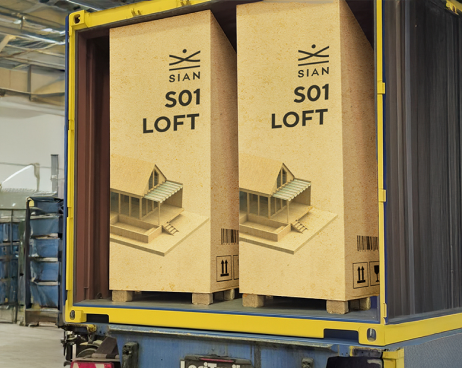
Think about an island or a piece of land deep in the jungle that a narrow road can only reach. With traditional construction, moving trucks full of cement, steel, and timber would be a constant challenge. With modular construction, components travel ready to assemble in compact formats. This means they can be moved by boat, 4x4 trucks, or even helicopters if needed. Suddenly, the dream of building in a remote corner is no longer impossible.
2. Less construction time, faster to revenue
In hospitality, every week counts. A conventional hotel may take more than a year to open its doors, while a modular micro-resort can welcome its first guests in a matter of weeks or just a few months. This speed not only reduces operating costs during construction but also accelerates the moment when you start generating revenue and positioning yourself in the market.
3. Premium design tailored to your project
Forget the myth that modular cabins are basic or generic. Companies like SIAN make it possible to integrate luxury finishes, spa-style bathrooms, high-performance windows, and custom details. Picture a wellness retreat with warm timber and filtered light through screens, or a boutique glamping experience with artisanal textiles and panoramic views from the bed. Modularity allows you to personalize without losing construction efficiency.
4. Real energy efficiency
It’s not just about spending less on electricity—it’s about creating spaces that feel comfortable all year long. With the right orientation, cross ventilation, and high-performance insulation, up to 80% (Passive House Institute) can reduce energy consumption. And if you add solar panels, water harvesting systems, and bio-digesters, your project can function fully off-grid, even in the most remote areas.
5. Low environmental impact
Every material delivery, every cut of land, every piece of waste matters. Modular construction generates up to 50% less waste than traditional building methods and minimizes disruption to the natural environment.
In areas of high ecological value, this difference is key to preserving the landscape and biodiversity, which are often the true attractions of a destination. Moreover, SIAN modules are designed to adapt to the land without aggressive modifications, protecting local flora and fauna while seamlessly blending architecture into the ecosystem.
This way, you’re not only building a unique space, you’re also helping preserve the natural richness that makes your project truly extraordinary
Challenges and drawbacks of sustainable architecture
Sustainable modular architecture opens the door to incredible locations, but making it all work requires anticipating some challenges. Here’s what we’ve seen in real projects, and how they can be solved.
• Higher upfront investment:
Imagine you have two budgets in front of you: one for traditional construction and another for modular. The modular one is between 5% and 15% higher. At first glance, that can seem like a hurdle. But what you don’t see immediately is that, in the long run, energy savings, durability of materials, and higher resale value more than compensate for the difference. In tourism projects, this means charging higher nightly rates and keeping occupancy strong year-round.
• Specialized logistics:
Transporting modules is easier than moving tons of bulk materials, but site access is still critical. In some cases, building access roads or coordinating maritime transport may be necessary. Planning logistics from the design stage, including test runs with vehicles similar to those that will deliver the modules, can prevent costly delays.
• Need for skilled labor:
Assembly is relatively simple, but installing sustainable systems (such as solar panels, bio-digesters, or water recycling systems) requires expertise. In remote areas, this can mean bringing in specialized workers from other regions, with the added cost of travel and accommodations. A practical solution is training local labor before the project begins, so they can participate in assembly and handle future maintenance.
• Limited design changes on-site:
In modular construction, the final design is like a recipe: once you start building, there’s no room to change the ingredients. This prevents errors but also means improvising on-site is costly or impossible. The key is working with modular construction companies that guide you through every detail. At SIAN Studio, for example, we ensure we understand your vision, your goals, your land, dimensions, finishes, and logistics before design begins. That way, what arrives on-site is exactly what’s needed.
• Technical maintenance
An off-grid micro-resort in the middle of nature sounds perfect—until one day a water pump fails or solar panels need cleaning. In remote areas, immediate assistance isn’t always easy. That’s why it’s important to include scheduled technical visits in your operating plan or train the local team for small repairs. This ensures the guest experience remains seamless.
Planning: the key to success in a modular project
In remote tourism projects, planning isn’t just important—it’s 50% of success. The decisions you make before setting foot on-site will determine whether your project flows smoothly or turns into a series of obstacles.
Imagine your land has breathtaking views, but the nearest road ends two kilometers away. Before signing any contract, it’s worth doing a realistic walk-through:
• What types of vehicles can reach the site?
• How will the modules or materials be transported?
• Are there times when access becomes difficult because of heavy rain or snow?
Asking these questions early on can prevent costly last-minute changes and ensure that your dream project doesn’t get stuck halfway.
Important: understanding the climate and designing with it
The sun, the wind, and the rain are not enemies; used wisely, they become allies. For example, orienting cabins to capture natural light and encourage cross-ventilation reduces energy consumption. In warm regions, a generous overhang can keep interiors cool; in colder climates, passive solar gain helps retain heat.
SIAN’s modular cabin models are designed with the climate in mind, enhancing energy efficiency while also improving guest comfort.
Defining development phases
Not every project starts fully built. Many begin with just 2 or 3 units and then grow according to demand. This allows you to start generating revenue early and reinvest in new stages without taking on excessive debt.
Think of your project as something alive: a first phase that opens the door, followed by expansions that add value and enrich the guest experience over time.
When luxury meets sustainability
Imagine welcoming a guest seeking disconnection, and offering them something even greater: a space where every detail reflects care, design, and respect for the environment. That is the essence of sustainable modular architecture in the hospitality industry.
Accommodation that combines comfort, aesthetics, and environmental responsibility not only attracts conscious travelers but also positions itself in the premium segment, able to command higher rates and build loyalty with each stay.
And here’s a fact that supports this opportunity: nature tourism and luxury glamping are growing at rates above 10% annually. There is still space to innovate and stand out, especially for those who understand that building in a remote location no longer means years of work and cost overruns.
Today, a tourism project can be ready to operate in months, with minimal environmental impact and a value proposition that connects with what modern travelers want: authenticity, comfort, and responsibility.
Yes, the initial investment may be higher than conventional construction. But the return comes in the form of energy savings, property appreciation, and a strong reputation in an increasingly competitive market.
Because in hospitality, it’s not always about building more, it’s about building smarter.
Comments

.png)
.png)
.png)
.png)
.png)
.png)


